
Programs, What We Do
Grow Deep, Meaningful Friendships
Friendships aren’t made through assigned seating or shared screens. They’re built beside creek beds, along forest trails, and around muddy [read more]
More kids than ever are struggling with anxiety, apathy, and meltdowns — and parents are exhausted trying to break the cycle. Nature Rangers unplugs kids from the noise and reconnects them to the wonder, grit, and confidence that nature has always known how to build.
*For other programs or locations, please select from top header

Enjoy weekly activities in Santa Barbara, Carp & Ojai!
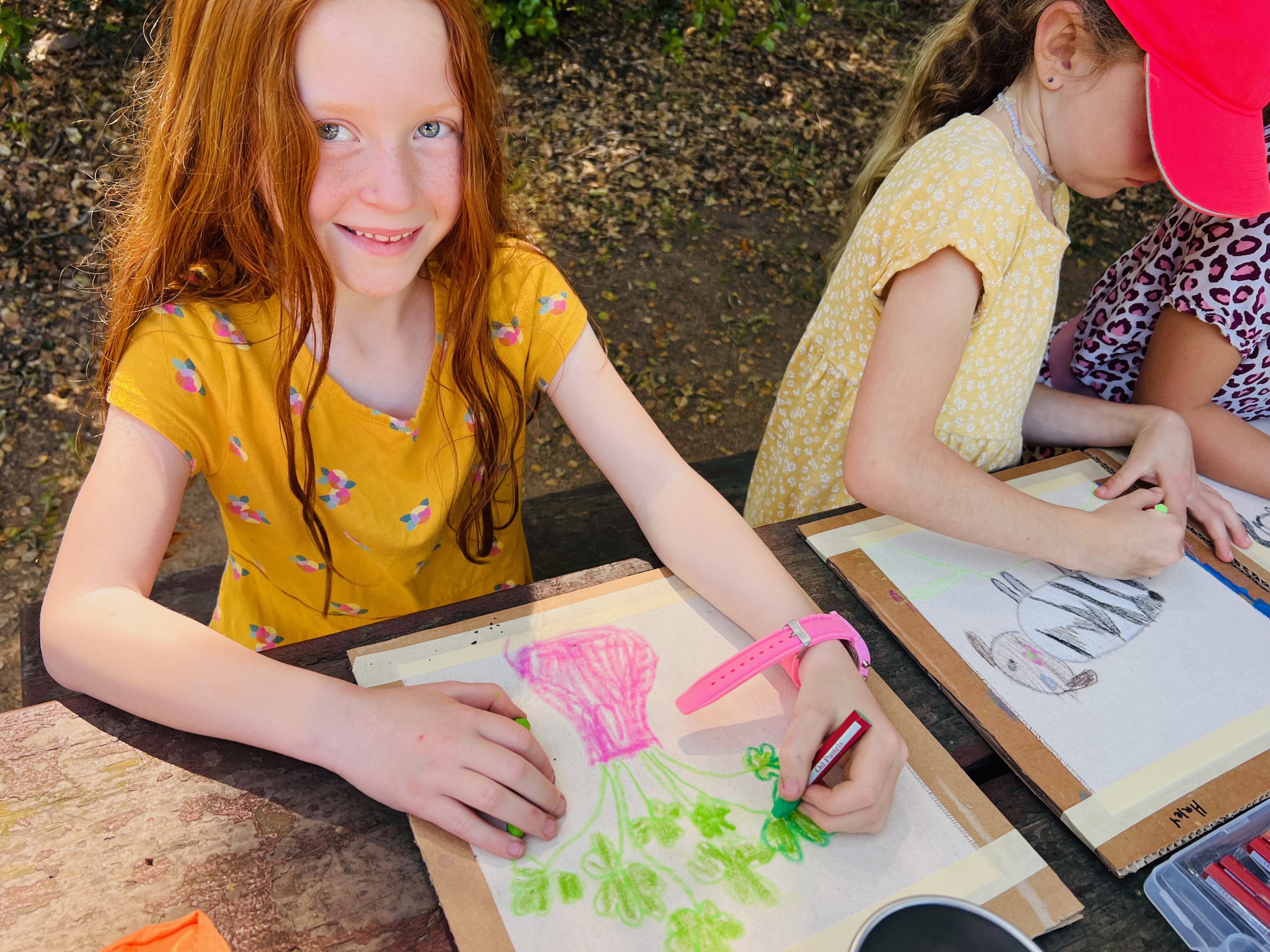
After school enrichment programs at select schools.

Join us for week-long camps when school is out in Santa Barbara!
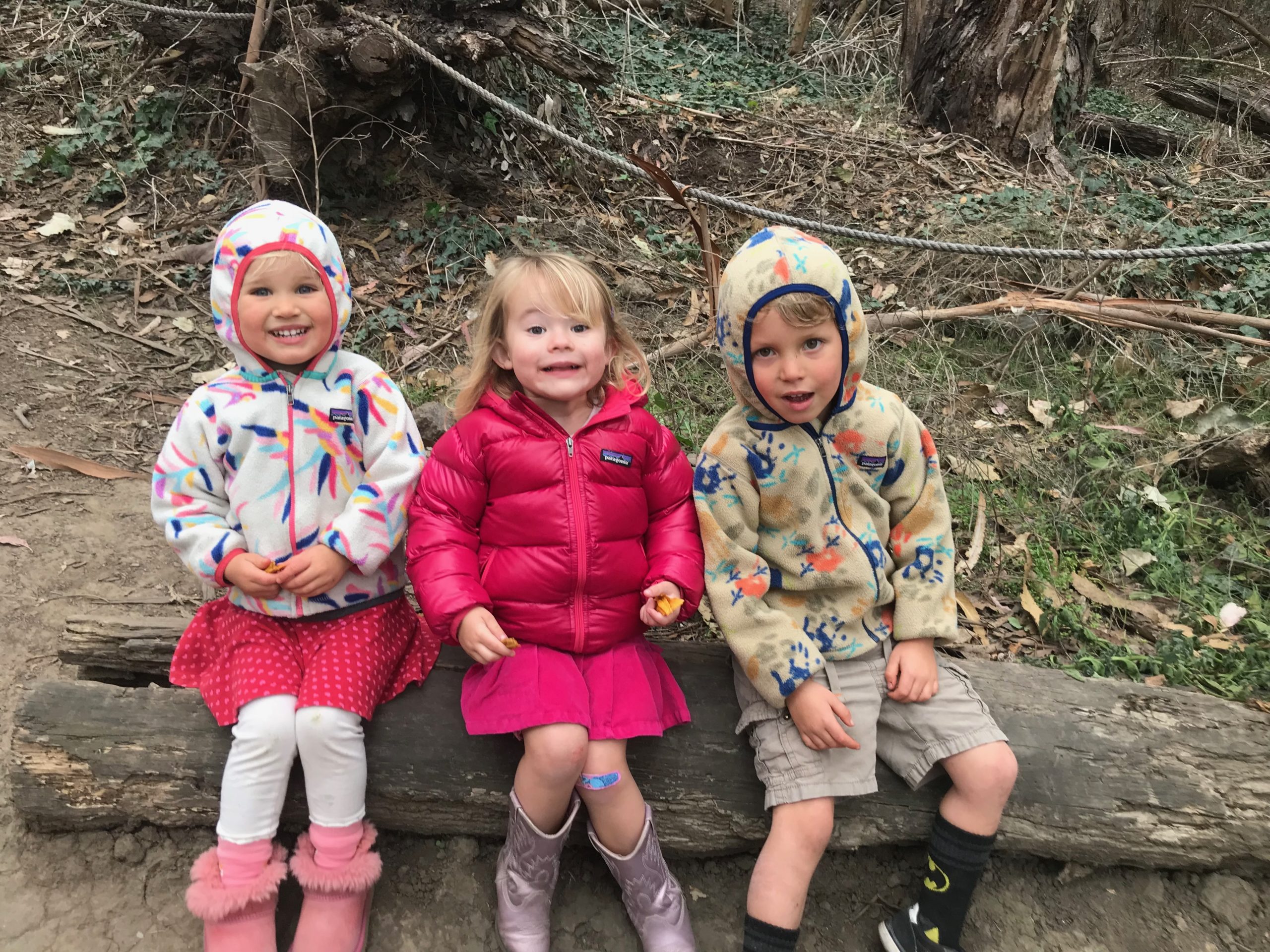
Get your littlest ones outside for age-appropriate learning!
Step into a few of the nature-based activities that spark curiosity and confidence!
In a world where constant scrolling shortens attention spans and numbs creativity, our outdoor quests reawaken a child’s natural wonder. Every activity engages the senses, strengthens focus, and builds problem-solving skills that come only from real-life exploration. Through mud, sunlight, teamwork, and imagination, children reconnect with what’s real: themselves, their peers, and the living world around them.
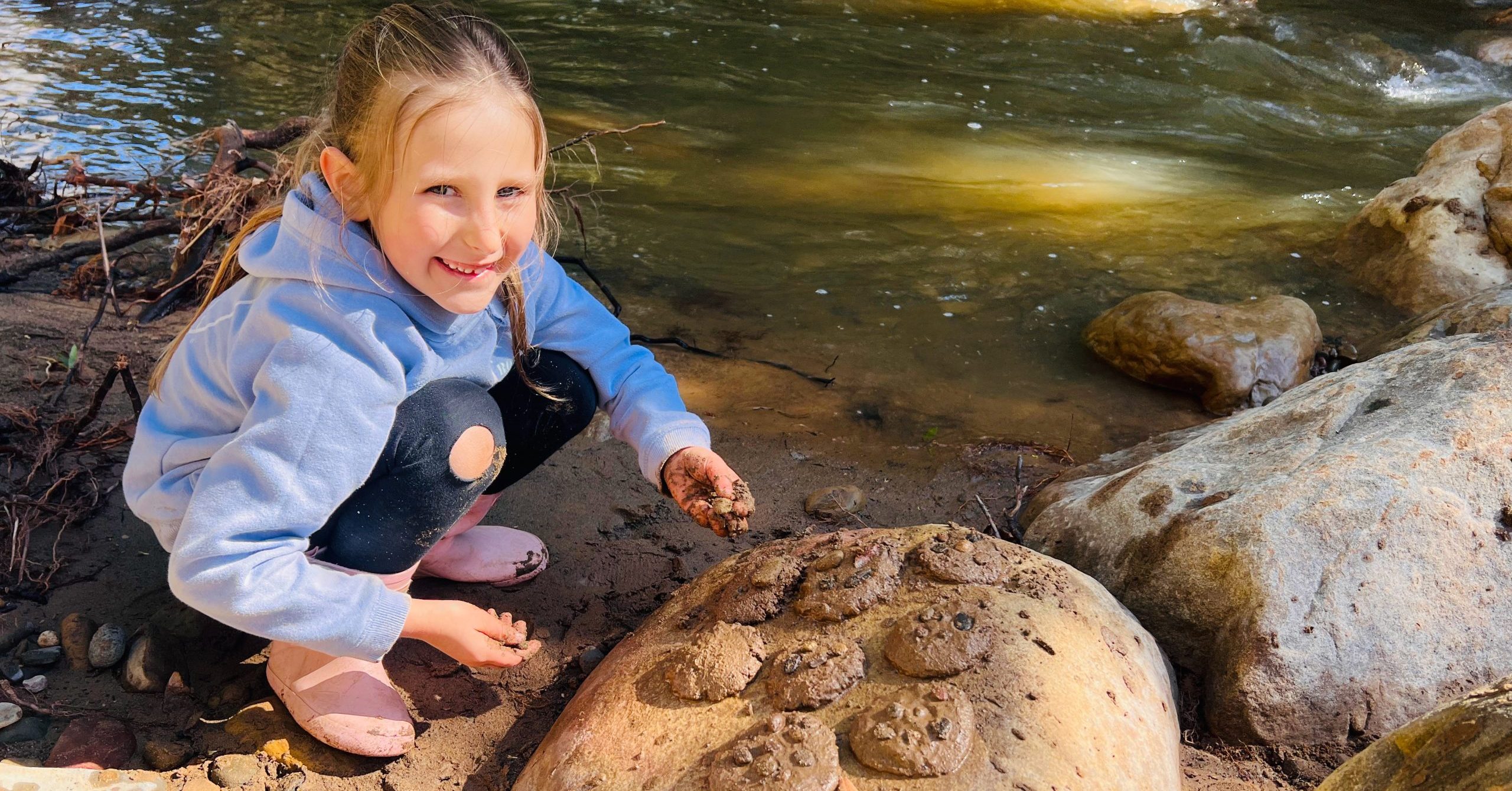
Nature and Problem-Solving Quests invite children to think critically and creatively as they tackle real-world challenges: building, testing, observing, and adapting their ideas using only natural materials and teamwork to find solutions.
Nature Bridge Rescue – The children become forest engineers on a rescue mission! A (make-believe) frog needs to cross a rushing river to reach its home. Using sticks, leaves, bark, and stones, the young engineers design and build a bridge strong enough to hold their creature safely. They test different designs, adjust when it collapses, and celebrate when their bridge holds. The challenge strengthens creativity, teamwork, and understanding of balance and structure.
Animal Adaptation Challenge – Each child transforms into a wild animal — a fox stalking prey, a hawk soaring overhead, or a lizard sunning on a rock. They must use their surroundings to survive: where will they hide, rest, or hunt? How do they move quietly or stay unseen? This imaginative quest helps children explore the concept of adaptation by embodying it, blending science and role play as they discover what it takes to thrive in the wild.
Trail Detectives – Children become animal detectives investigating a mystery in the forest. Tracks, bent grass, and nibbled leaves hint that something has passed by — but who? A deer? A raccoon? A snake? Wearing their “detective hats,” kids gather clues, make hypotheses, and share their discoveries. The activity builds critical thinking, pattern recognition, and an appreciation for the hidden stories written in nature.
The Great Nest Quest – The group becomes a team of mother and father birds preparing for baby hatchlings! Using twigs, moss, grass, and leaves, they must build the safest, strongest, coziest nest possible to protect their “eggs” (stones or pinecones). Once built, they test how well their nests hold up against wind or gentle shaking. The quest teaches patience, experimentation, and care — all through the lens of nurturing in the natural world.
Water Path Challenge – Children imagine they are thirsty forest creatures — maybe frogs, deer, or tiny river otters — trying to bring water from one part of the forest to another to fill a dry pond. Using bark, sticks, and rocks, they create mini waterways and dams to direct the flow. As the water winds along their paths, they discover how movement, slope, and materials affect flow — learning cooperation, problem-solving, and a deeper connection to how water shapes the land.
Scientific Exploration activities invite children to think and act like young scientists in the field: observing, experimenting, and asking “why” and “how” as they investigate cause and effect through hands-on discovery in the outdoor classroom.
Seed Travelers – Children become seed scientists and wind explorers on a grand adventure! They imagine they’re dandelion seeds, maple whirligigs, or burrs catching a ride on a passing animal. Kids test how different real seeds move — some float, some stick, some spin — then design their own “super seed” using natural materials to mimic those movements. Through play, they learn how plants use wind, water, and animals to travel and grow in new places.
Sunprint Science – Young Rangers turn into light detectives, investigating how the sun paints invisible pictures. Using special sunprint paper, they place leaves, feathers, or flowers on top and leave them in sunlight. When the paper is rinsed, a white silhouette appears where the object once lay. The experiment helps kids visualize how sunlight, shadow, and UV rays interact — a magical blend of art and science that reveals the sun’s invisible touch.
Rock Sorters – Children become junior geologists, armed with magnifiers and curiosity. They collect rocks from their surroundings and examine each one’s color, texture, and weight. Using their senses, they classify them into categories — smooth or rough, shiny or dull, light or heavy — and imagine what natural forces created them. This hands-on quest introduces the basics of rock formation and the idea that Earth’s surface is constantly changing.
Mini Meteorologists – Kids step into the role of weather scientists, using the forest as their outdoor lab. They test wind direction by watching leaves blow, blowing bubbles, or licking a finger to feel the breeze. They observe cloud shapes, humidity, and temperature to predict what the weather might do next. This activity helps children understand how simple clues in nature — like wind and clouds — reveal big patterns in the atmosphere.
Bug Architects – Children imagine they’re tiny insect engineers exploring a bustling bug city. They search for homes built by real insects — spider webs, ant tunnels, or bee holes — and sketch what they find. Then, they use sticks, mud, or leaves to design and build their own miniature “bug buildings.” Through this creative process, they learn how insects use engineering to protect themselves, raise young, and thrive in their environments.
Self-Awareness Activities help children slow down, tune into their senses, and recognize their inner experiences by using nature as a mirror for calm, focus, and emotional understanding, to build the foundation for self-regulation.
Sit Spot Stillness – Children become forest owls or quiet foxes, finding their own secret spot in nature to sit completely still. For a few minutes, they listen to every sound — the rustle of leaves, the hum of insects, the whisper of wind — and notice the colors, shapes, and movement around them. This peaceful pause helps them tune their senses, calm their bodies, and feel a quiet connection to the world that’s always alive and moving, even when they are still.
Wind Breathing – Kids imagine they are trees swaying in the wind, rooted deep in the earth. They take slow, deep breaths as if the breeze itself is moving in and out through them — filling their lungs like branches lifting toward the sky, then releasing with a soft whoosh. This practice helps children recognize the power of their own breath to bring calm and focus, learning to regulate energy the same way trees bend with the wind.
Sound Mapping – Children become sound explorers with the ears of deer and the attention of owls. Sitting quietly with eyes closed, they draw a circle on their paper to represent themselves and mark each sound they hear — a bee buzzing nearby, footsteps crunching behind, a bird singing in the distance. When they open their eyes, they’ve created a map made entirely of sound. This deep listening activity strengthens awareness and teaches how every sound has a place in the landscape.
Feeling Stones – Kids imagine they are stone keepers, searching the earth for a rock that matches how they feel. A smooth stone might mean calm or happy; a rough, bumpy one might show excitement or restlessness. They hold their stone and share its “story” with the group — how it feels, where they found it, and what it means to them. This reflective activity helps children name their emotions, connect feelings to the natural world, and practice empathy and self-expression.
Gratitude Circles – The group gathers at the end of each day, sitting in a circle surrounded by the sounds of the forest. Each child takes a turn holding a “gratitude stone” or leaf and sharing one thing in nature they’re thankful for — maybe a bright flower, a friendly bug, or the feeling of sunshine. Listening to one another builds appreciation, connection, and community as they realize how much there is to love in the natural world.Nature Journaling, inspired by the methods of John Muir Laws, teaches children to observe closely, think scientifically, and express creatively as they record what they notice, wonder, and imagine about the natural world through pictures, numbers and words.
I Notice, I Wonder, It Reminds Me Of - This foundational journaling practice encourages curiosity and reflection. Children write or sketch three things: something they notice (an observation), something they wonder (a question), and something it reminds them of (a connection to prior knowledge or experience). It’s a simple but powerful way to help kids slow down, think deeply, and make personal meaning from their time in nature.
Zoom In, Zoom Out – Children practice careful observation by sketching a single object, such as a leaf or pinecone, first up close and then zoomed out to show where it belongs in its natural setting. They compare patterns, textures, and sizes, noticing how small details connect to the bigger picture — a core habit of scientific thinking and nature awareness.
String Safari – Kids place a loop of string on the ground to create a small circle and study every detail within it. They draw or describe what they see — insects, pebbles, roots, bits of moss — and are often amazed at how much life exists in such a tiny space. This activity teaches focus, patience, and appreciation for the miniature ecosystems underfoot.
Who Lives Here? – Children explore hidden habitats like the underside of a log, a patch of tall grass, or a pile of leaves. They look for clues — tracks, chewed leaves, spider webs, or tiny holes — and record what they think might live there. This practice helps them connect evidence with imagination and begin to think like scientists investigating wildlife.
Color Hunt – Armed with watercolor pencils or colored pencils, kids search for natural hues around them — the deep greens of moss, the soft browns of soil, the blues of sky and shadow. They try to match each color in their journal, sharpening their observation skills and seeing the landscape as an artist would.Wilderness Skills introduce children to practical outdoor know-how through the process of earning skill badges that build confidence, environmental awareness, and self-reliance in nature.
Expedition Master – Children learn how to prepare for outdoor adventures by planning what to bring, packing a small day bag, and setting simple group goals for a hike. They practice reading easy maps, following trails, and understanding the basics of trip safety and teamwork.
First Aid Master – Kids are introduced to basic first aid skills using fun, age-appropriate demonstrations. They learn how to clean a “pretend” scrape, gently wrap a bandage, and recognize when to ask an adult for help. The focus is on safety awareness, caring for others, and staying calm in minor emergencies.
Foraging Master – Children explore local plant life and learn to identify a few safe, edible wild plants by shape, texture, and smell. They also discover what animals eat in the wild and discuss how humans can observe nature responsibly without disturbing it.
Shelter Master – Working in small teams, kids use branches, ferns, and leaves to design and build miniature or full-sized shelters. They experiment with stability, balance, and insulation while learning how animals and people use natural materials for protection from the elements.
Orienteering Master – Children practice simple navigation skills by using natural landmarks, the position of the sun, and compasses to find direction. They follow short courses or treasure maps, learning how to stay oriented, communicate with teammates, and lead their group safely.
Knot Master – Kids learn one or two basic knots and their uses in outdoor settings. They practice tying and untying ropes to make loops, secure bundles, or hang gear. The activity builds fine motor skills, patience, and problem-solving as they discover how small details make a big difference in the outdoors.With over 30 options of Nature Specialist Badges, children are invited to dive deeply into one aspect of the natural world through multi-day investigations that combine observation, games, and hands-on discovery to build awareness and a sense of stewardship.
Creek Specialist – Children imagine they are water explorers following the path of a creek as it winds through the land. In this three-part badge activity, they observe how water supports plants, insects, and small animals, testing how it flows around rocks and roots. They notice how erosion shapes the banks and learn why clean water is essential for keeping the ecosystem healthy.
Bark Specialist – Children become forest detectives studying the “skins” of trees. In this three-part badge activity, they learn to identify trees by feeling and observing the textures, patterns, and colors of their bark. They make bark rubbings to compare differences and discuss how bark protects trees from insects, weather, and fire.
Flower Specialist – Rangers take on the role of botanists exploring a colorful field of blossoms. In this three-part badge activity, they study flower parts up close to learn how pollination works, watch pollinators like bees and butterflies in action, and create their own illustrated flower field guides to record their discoveries.
Lifecycle Specialist – Kids become naturalists observing the cycles of life in action. In this three-part badge activity, they watch plants grow from seed to bloom and back to seed again, or study insects as they change from egg to larva to adult. They record each stage through drawings or notes, discovering how every living thing is part of nature’s rhythm of birth, growth, and renewal.
Camouflage Specialist – Children imagine they are stealthy animals blending into their surroundings. In this three-part badge activity, they study how creatures like stick bugs, frogs, and lizards use patterns, colors, and movement to stay hidden. Then, they test their own camouflage skills by using natural materials to blend into the landscape and see who can stay hidden the longest.
Environmental Steward – Kids become guardians of the Earth, learning what it means to care for the places they love. They practice “leave no trace” habits, pick up litter, stay on trails, and help protect habitats for plants and animals. Through hands-on care and reflection, they begin to understand that small actions make a big difference in keeping nature healthy.Resilience Challenges encourage children to face obstacles with curiosity and determination, using teamwork and experimentation to learn that mistakes are part of growth and that perseverance leads to problem-solving and confidence.
The Floating Forest – Children are given natural items (sticks, leaves, bark, rocks) and must predict which will float or sink. After testing, they redesign their “forest boats” to carry tiny animal figures safely across a puddle or basin — discovering buoyancy through play.
Erosion Engineers – Kids sculpt miniature hills from sand or soil, then simulate rainfall with watering cans to see how water reshapes land. Working together, they invent ways to prevent erosion using found materials like sticks, moss, or leaves.
Animal Architects – Each team chooses an animal (like beavers, birds, or ants) and uses natural materials to replicate its structure — a dam, nest, or tunnel — then compares which designs withstand wind or water.
Color in Nature Quest – Children search for natural colors that match the rainbow, but with a twist: they must figure out why those colors exist. (Is it to attract? Protect? Blend in?) This encourages analytical thinking about adaptation and function.
Balance Builders – Using rocks, driftwood, or pinecones, kids experiment to build the tallest structure they can without it falling over. When it collapses, they discuss what made it unstable and how nature achieves balance — linking art, science, and problem-solving.Nature Immersion Games fully engage children’s senses and imagination, drawing them into the rhythms and movements of the natural world so they begin to feel part of nature rather than just observers within it.
Camouflage – Children step into the secret world of prey animals by learning to blend into their surroundings. One child hides quietly (supervised) while the others close their eyes and count. When they open them, they scan the landscape, using careful observation to spot movement or color differences. Hiders crouch among trees, leaves, or tall grass, discovering how animals use stillness and pattern to stay unseen. This game strengthens patience, focus, and awareness of one’s surroundings — and it’s always followed by joyful laughter when the hidden Ranger is finally found!
Owl Eyes – Using a simple technique borrowed from wildlife tracking experts, children practice expanding their peripheral vision. Standing still, they soften their gaze and hold their hands out wide to the sides, wiggling their fingers until they can just barely see them without turning their head. Then they scan for movement instead of focusing on one object — just like owls and other predators do in the wild. This teaches kids to slow down, notice small details, and tune into the natural rhythm around them.
Deer Ears – Kids learn how to “listen like a deer” by cupping their hands behind their ears to make natural amplifiers. When they rotate their hands forward or backward, they notice how the sound changes direction and volume. The group experiments with hearing distant rustles, bird calls, or even whispers. This playful sensory exercise heightens auditory awareness and encourages kids to slow down and truly hear the world of the forest.
Predator & Prey Tag – A favorite at Nature Rangers! Children take on the roles of predators and prey — foxes, rabbits, hawks, or mice — in a lively game of chase and escape. The “prey” hide and move quietly while the “predators” stalk and listen carefully before chasing. Afterward, the group discusses what strategies worked best for survival: Was it staying still? Moving slowly? Watching wind direction? The game transforms running and laughter into a deeper understanding of ecosystems and animal behavior.
Sound Scavenger Hunt – Instead of collecting objects, children “collect” sounds in the wild. Using their journals or a sound checklist, they pause and listen for natural noises — buzzing bees, a snapping twig, crunching leaves, trickling water, or birds calling overhead. Every sound becomes a discovery. This calming yet stimulating activity deepens listening skills and helps kids connect to the subtle symphony of life that fills the forest each day.Leadership Games use play as a natural teacher, allowing children to discover the meaning of different aspects of leadership through experience, because lessons learned in motion, laughter, and collaboration are often the ones that last.
Active Listening & Focus - Exemplified in the game Echo Game – Kids gather in a circle where one person begins with a simple sound, word, or gesture. Each child must repeat what came before and add something new, keeping the “echo” alive through careful attention. The group quickly realizes that real listening means more than just hearing — it means staying present and attuned to others.
Trust & Clear Communication - Exemplified in the game Trust Walk – One child is gently blindfolded while their partner guides them verbally through a short, safe path filled with gentle obstacles like cones or logs. The guide must give clear directions, and the blindfolded partner must listen and trust completely. At the end, they switch roles, reflecting on what made them feel safe and supported — and how leaders build that same sense of trust in a group.
Responsibility & Consensus-Building - Exemplified in the game Leader’s Compass – Small groups are given a “mission” (like reaching a landmark or finding a hidden clue) and must make collective decisions along the way. They discuss, vote, and sometimes change plans mid-journey, discovering how responsibility and collaboration go hand in hand.
Empathy & Perspective-Taking - Exemplified in the game Empathy Swap – Pairs take turns acting out short nature-based scenarios, such as being cold in the rain, getting separated from the group, or finding a hidden treasure. Partners guess what emotion or experience is being portrayed, sparking laughter, compassion, and insight into how others might feel in the same moment.
Integrity & Positive Influence - Exemplified in the game Integrity Challenge – During a group project or team game, one child takes on the role of “Integrity Keeper.” Their job is to quietly notice and celebrate honest, kind, or responsible actions among their peers. At the end, the Keeper shares their observations, helping everyone recognize the power of positive influence within a team.Nature Crafts invite children to observe closely and work with their hands through hundreds of unique and creative projects that transform natural materials into meaningful art, celebrating both children's own creativity as well as the beauty abundance found in nature.
Leaf Lanterns – Children collect colorful fallen leaves and press them between translucent paper. The sheets are rolled into a cylinder and placed around a jar or light source to create a glowing lantern that highlights the natural colors and patterns of the leaves.
Gnome Homes/Fairy Houses – Using only found materials and glue, kids get to step into the imaginary world of tiny creatures and construct little homes for them. They are often complete with kitchens, beds, and elaborate gardens!
Nature Paintbrushes – Kids gather pine needles, grasses, or feathers and attach them to sticks using twine or clay to create their own paintbrushes. They then experiment with painting using different textures and strokes to see how each natural brush makes a unique mark.
Clay Creature Sculptures – Children use natural clay, pebbles, sticks, and leaves to sculpt imaginative forest animals or creatures. This hands-on project helps them observe details in animal shapes and features while expressing creativity.
Seed Mosaics – Kids sort and arrange dried seeds, beans, and grains by size and color, then glue them onto a board or card to create nature-inspired patterns such as flowers, spirals, or suns.
Nature Crowns – Children weave soft vines, flower stems, and grasses into circular crowns. They decorate their crowns with leaves and blossoms, celebrating the beauty of the season and expressing their individuality through natural materials.Learn more about our ethos and why we do some of the things we do!
Programs, What We Do
Friendships aren’t made through assigned seating or shared screens. They’re built beside creek beds, along forest trails, and around muddy [read more]
Programs, What We Do
Play is not the opposite of learning—it’s essential to it. Every week, we carve out time for kids to invent, [read more]
Programs, What We Do
At Nature Rangers, we believe that the most meaningful learning doesn’t happen behind a desk—it happens in the wild, with [read more]
Programs, What We Do
We believe learning is most profound when its woven with growth. That’s why we’ve created a hands-on badge program that [read more]
Programs, What We Do
At first glance, Nature Rangers might seem like just a place where kids play outdoors—and they do play a lot, [read more]
Programs, What We Do
For our Nature Rangers, learning doesn’t always look like sitting and listening—it often looks like laughing, leaping, crouching, hiding, and [read more]
Programs, What We Do
We believe that creativity doesn’t stay inside the lines—and it definitely doesn’t stay indoors! Our Nature Art activities encourage children [read more]
Programs, What We Do
Science for us isn’t confined to textbooks or lab benches—it’s alive in the soil, the wind, the creeks, and the [read more]

Spark curiosity, enhance observation skills and engage all five senses. Join us for a collection of lessons, fun facts, graphics and hands-on nature journaling activities to observe and appreciate the different wonders and elements of nature.

Cultivate your child's innate potential for goodness. Deep dive into character traits, and gain a comprehensive toolkit to help your family understand each concept with literature and practical activities that bring the learning to life.




Receive monthly at-home activity ideas & be the first to know when registration opens!